Sport, sponsorship and the Australian brand calendar
The Australian year is still paced by sport. Brands buy the calendar and then behave as if they bought meaning. A sponsorship is a media plan with a moral risk attached. Treat it as operations — what you will fund when the team loses, and what you will say when the game becomes the news.
Aroha Bennett, Culture Editor · 27 May 2026 · 5 min read
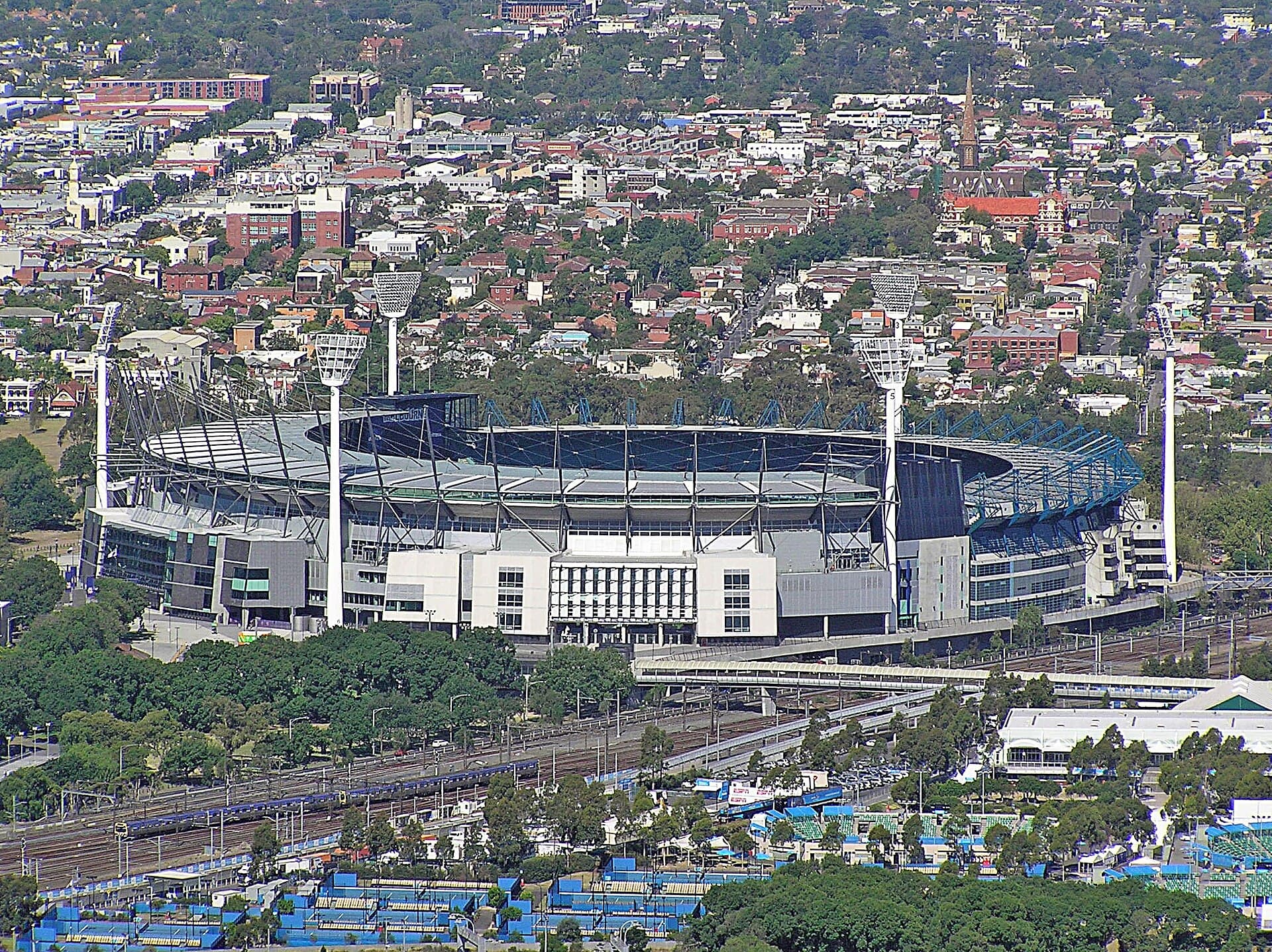
Australia still runs on a sporting calendar that marketing departments treat as a free metaphor. Summer is cricket until it is tennis. Autumn turns into footy in two codes that will not share a sentence. The middle of the year is a stadium and a talkback argument. Spring is codes finishing and a race that stops a city. Over it, every year, a layer of sponsors who have bought the right to stand next to other people’s loyalty.
That right is not meaning. It is inventory with a risk register. The brands that get sport right in this country treat it as operations: a presence at the ground, a product that belongs in the hand, a local club that still exists in July, and a piece of paper that says what happens when the sport is no longer the fun part of the news.
Buy a job, not a feeling
Write the job before the rights proposal. Reach is a job. So is hospitality. So is being visible in a town you otherwise cannot afford to be in. So is a staff culture that already watches the game. So is a product that is consumed in the stands. “Being part of the story of Australia” is not a job. It is a sentence a rights-holder uses.
If the job is reach, measure it like media, including the parts you do not control — a rain delay, a boycott, a Tuesday night no one watches. If the job is local presence, the national rights may be the wrong object. A club in a league that still has volunteers may do more for a regional retailer than a sleeve in a city the retailer does not serve.
If the job is hospitality, be honest that you have bought a tent. Tents are fine. They are not community.
The ground is a place
Stadiums are some of the last mass places this country builds. The brand that exists there is food, queues, wayfinding, the app that cannot load, the staff in the coloured shirt. Sponsors who only exist as a LED rotation have purchased a banner. Sponsors who fix a part of the day — a gate, a family area, a train — get remembered as part of the place.
The MCG, the SCG, a packed Adelaide Oval, a wet night in Parra: these are not content backdrops. They are operations at scale. If your activation needs a long briefing, it will fail at six minutes to bounce-down. Design for the person holding a pie and a child.
Community sport is the other place. It is colder, poorer, and more honest. A freezer, a strip, a bus, a coach’s course: unfashionable objects that appear in club minutes. National brands that want “grassroots” without those objects want a photograph. Clubs can tell.
When the game becomes the news
Codes and athletes will fail in public. Gambling, concussions, racism, abuse, a governing body that cannot govern: the Australian sports page is not a lifestyle page. A sponsor who is surprised by this has not read the paper.
Write the walk-away and the stay-and-demand before you sign. Name the triggers. Name who decides in a weekend. Name what you will say to staff who are also fans. If you stay, you have bought the obligation to use the leverage. Silence is a position. So is a statement that could have been written by the code’s own comms team.
Gambling brands have made this sharper. The calendar is now also a harm argument. If your brand sits next to wagering, you sit next to the argument. Do not pretend the logo was in another room.
Athletes as media
A player is not a media channel you can schedule. They are a person with a union, a phone and a worse week than your content calendar. Contracts that treat them as a moodboard will be punished, correctly, as cheap.
If you want an athlete, want a specific one for a specific reason, and budget for the day they are injured, traded or angry. The backup cannot be “the idea of sport”. The idea of sport is how you get a stock library and a lawsuit.
Women’s sport, and the codes you ignored
The Australian calendar is no longer only the men’s Saturday. Codes that were treated as corporate social responsibility a decade ago now sell out grounds and write television numbers. Brands that arrive as if they discovered women’s sport last Tuesday will be received as they deserve. If you sponsor, sponsor like a rights-holder who expects the product to be excellent — production, hospitality, junior pathways — not like a guest who wants a photograph with a values caption.
The same is true of codes outside the two footballs and the cricket. Netball, basketball, A-League, the long Indigenous games that are not a campaign. A brand that only appears where the national conversation already is has not bought territory. It has bought a crowded banner.
The calendar as discipline
Use the calendar to refuse work. Not every brand needs a Grand Final ad. Not every summer needs a cricket joke. The discipline is to know which Saturdays you are actually in, and to be good on those Saturdays, including the ones that are ordinary rounds. Ordinary rounds are most of the year. They are where loyalty lives.
A sponsorship that only turns on for finals is a tourist. Fans can smell tourists. They have been the destination for a long time.
International rights — a World Cup, an away tour, an imported league — will be sold as ambition. They are usually a media buy in someone else’s country. If your customer is here on a Saturday, buy the Saturday here. Ambition can wait until the local club has a freezer.
The test
On a weekend you did not plan for — a loss, a scandal, a washout — what does your brand still do? If the answer is “nothing, we bought the highlights”, you bought highlights. If the answer is a club that still has a strip, a stand that still has a useful sign, a staff who still know the rule you wrote, you bought a place in the calendar. Stay for the unfashionable Saturdays. That is the only way the fashionable ones mean anything.
Questions readers ask
- What makes a sport sponsorship worth it for an Australian brand?
- A job the sport can actually do — reach a household, stand in a town, entertain staff, or sit next to a product people already use at the ground — plus a refusal for the day the sport becomes a scandal. A logo on a sleeve without those is a donation to someone else’s media kit.
- Should brands walk away when a code or a player blows up?
- Sometimes. Walking away is a brand act only if the principle was written before the crisis. If the principle is invented on the day, you are not ethical. You are weather.